

Should I Cover My Pool? Benefits, Drawbacks, and the Best Options
Yes, most pools benefit from being covered when they are not in use. A suitable cover can reduce evaporation, limit debris, retain heat, simplify maintenance, and—when designed and tested for that purpose—provide a safety barrier. The right solution depends on your pool’s shape, climate, safety priorities, available space, budget, and how frequently you will use it.
Quick answer: Covering an unused pool is generally worthwhile when evaporation, heat loss, debris, maintenance, or access control is a concern. However, not every product offers the same benefits or safety performance.
What Happens When a Pool Remains Uncovered?
An uncovered pool remains exposed to sun, wind, leaves, pollen, insects, and dust. This can increase:
- Water loss through evaporation
- Heat loss from heated water
- Debris entering skimmers and filters
- Cleaning and water-balancing demands
- Unrestricted access to the water
The impact depends on climate, wind, water temperature, surrounding vegetation, pool size, and maintenance practices.
What Are the Benefits of Covering a Pool?
Reduced evaporation
A solid cover forms a barrier between the water and surrounding air. The EPA’s pool water-efficiency guidance states that using a pool cover can prevent up to 95% of pool-water evaporation.
Actual results depend on the cover’s fit and design, weather conditions, water temperature, and how consistently it is used. Learn more about how pool covers can reduce evaporation and chemical demand.
Less debris in the water
A closed cover can prevent leaves, insects, grass clippings, pollen, and other material from entering the pool. This may reduce skimming, vacuuming, and the amount of debris reaching baskets and filters.
The cover, tracks, housing, enclosure panels, or deck surface will still need appropriate cleaning.
Better heat retention
Evaporation is an important source of heat loss. Covering an unused heated pool can help retain heat by reducing exposure at the water’s surface.
The benefit varies according to the pool, climate, heater, water temperature, cover design, and operating schedule. A cover should be treated as a heat-management tool rather than a guarantee of specific energy savings.
Reduced pool maintenance and chemical demand
By limiting evaporation, refill cycles, sunlight, and organic debris, a cover may reduce some pressures on water chemistry and routine cleaning.
However, it does not replace circulation, filtration, sanitation, testing, balancing, or professional pool maintenance.
Safety – when the cover is designed for it
Not every product that covers a pool is a safety cover. Solar blankets and ordinary debris covers should not be presented as safety barriers.
ASTM F1346 establishes performance and labeling requirements for pool safety covers. Homeowners should verify the documentation for the exact product and installation. Cover Dream’s guide explains what to check when evaluating an ASTM F1346 pool cover.
The CPSC recommends multiple layers of pool protection, including close supervision, appropriate barriers, self-closing gates, alarms, and—in applicable situations—a power safety cover. No cover eliminates the need for the other safeguards required for the property. Review the CPSC’s drowning-prevention guidance.
What Are the Drawbacks of Covering a Pool?
Pool covers also introduce practical considerations:
- The system must fit the pool and surrounding deck.
- Custom automatic systems require professional specification and installation.
- Covers, tracks, housings, panels, or deck surfaces need cleaning and inspection.
- Leaves, rainwater, snow, or ice may require attention before operation.
- Some products require manual handling and storage.
- Covers may need servicing or component replacement over time.
- Unusual steps, curves, spas, vanishing edges, or obstacles can limit compatibility.
- Not every cover provides tested safety performance.
The correct question is not simply whether a cover has drawbacks. It is whether the benefits justify those requirements for your property and routine.
Is a Pool Cover Worth It?
A pool cover is more likely to provide meaningful value when:
- The pool is heated.
- Evaporation requires frequent refilling.
- Trees or landscaping create substantial debris.
- Cleaning consumes significant time.
- Safety planning is a priority.
- The cover will be used consistently.
- The property requires a premium, integrated design.
It may provide less value if the system does not suit the pool, the homeowner is unlikely to operate it regularly, or the expected benefits depend on unsupported savings or safety assumptions.
When Should You Cover Your Pool?
Should you cover your pool every day?
If evaporation, debris, heat loss, or access control is a concern, cover the pool whenever it is not being used and normal operating conditions allow.
A manual cover provides little benefit while folded or stored. An automatic system can make frequent coverage more practical by reducing the handling required each time the pool is opened or closed.
Should you cover your pool at night?
Covering an unused pool overnight can limit evaporation, heat loss, insects, leaves, and other debris. It can be especially useful for heated pools and properties exposed to dry air or wind.
Confirm that everyone has left the water and the cover’s path is unobstructed before operating it.
Should you cover your pool in summer?
Summer coverage can reduce evaporation while helping keep pollen, insects, and landscaping debris out of the water. The EPA recommends using a pool cover whenever the pool is not in use to help avoid evaporation.
Water temperature and chemistry should still be monitored, and the cover must be fully opened before swimming. See the EPA’s home-maintenance recommendations.
Should you cover your pool in winter?
Winter requirements depend on whether the pool remains operational and whether the property experiences freezing temperatures, snow, or ice.
A cover protects the water surface but does not replace winterizing pumps, filters, heaters, plumbing, and water chemistry. Follow the manufacturer’s and installer’s instructions for drainage, snow, ice, and extended seasonal closure.
Make Daily Pool Coverage Easier
If you plan to cover your pool whenever it is not in use, convenience matters. COVERSEAL™ provides automatic water-surface coverage that can make regular protection from evaporation, debris, and heat loss easier to build into your daily routine.
When Should a Pool Not Be Covered?
Do not operate or close the system:
- While anyone is swimming
- When people, pets, furniture, or equipment obstruct its movement
- If the system is damaged or operating abnormally
- When accumulated debris, water, snow, or ice must be removed first
- During servicing unless specifically instructed
- When chemical or severe-weather instructions require another procedure
Manufacturer and installer instructions should always control operation.
Which Pool – Cover Solution Should You Choose?
Solution | Main benefits | Safety positioning | Main considerations |
COVERSEAL | Automatic daily coverage, low-profile design, evaporation and debris control | Cover Dream identifies the system as ASTM F1346 compliant | Custom specification, professional installation, and routine system care |
Solar or seasonal cover | Basic evaporation and debris reduction | Should not be treated as a safety cover | Manual handling, storage, and limited architectural integration |
N-CLOSURE | Broader weather protection and a sheltered pool environment | Do not automatically present it as an ASTM F1346 safety cover | Panels, rails, seals, and exterior surfaces require maintenance |
S-LIDE | Pool coverage combined with usable deck space | Confirm project-specific performance and requirements | Requires suitable space, engineering, drainage, and deck maintenance |
When Is COVERSEAL the Right Pool Cover?
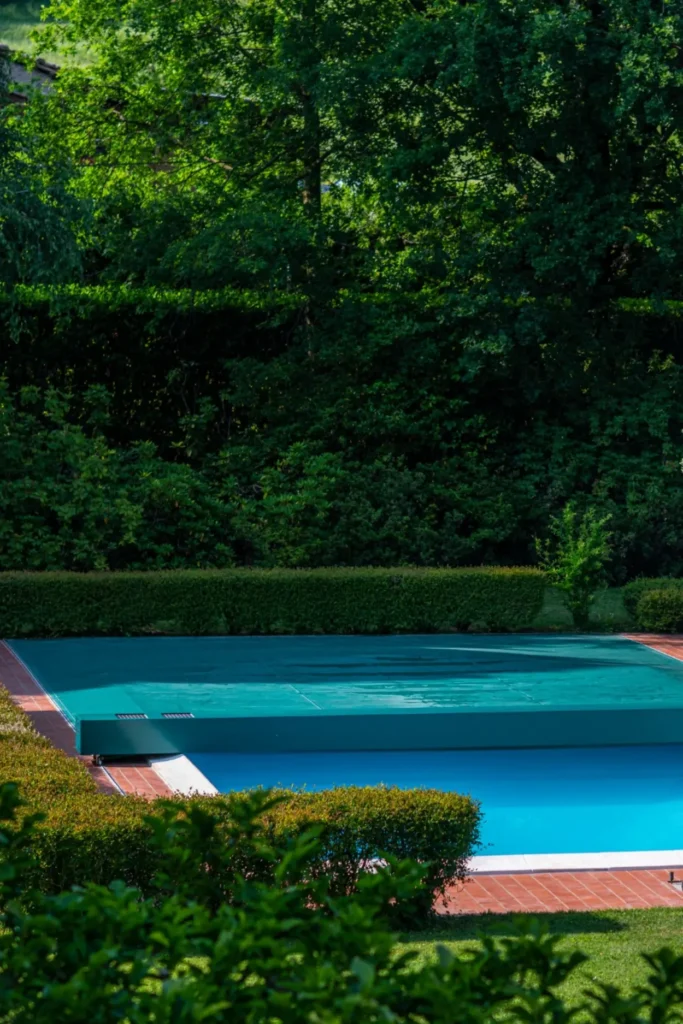
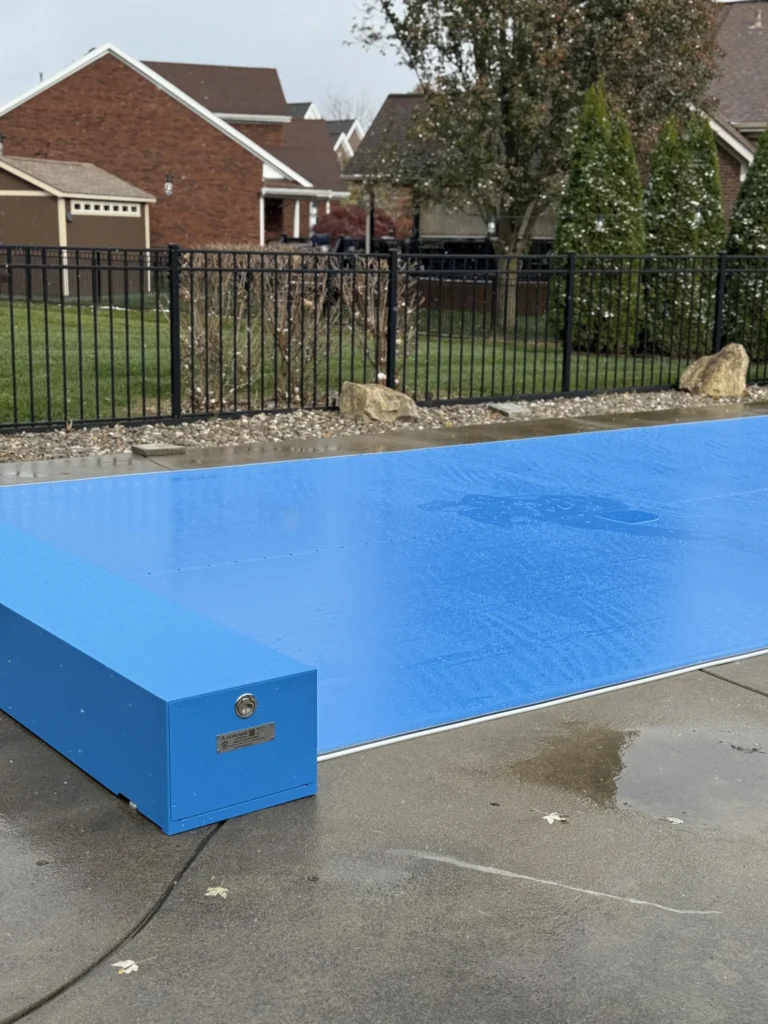
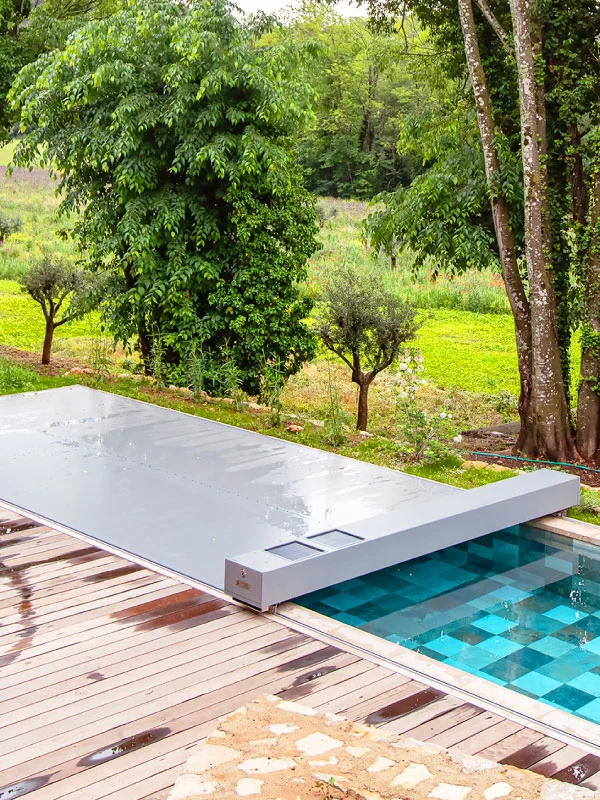
The COVERSEAL automatic safety pool cover is the central Cover Dream option for homeowners seeking direct water-surface coverage, automatic operation, safety-oriented performance, and discreet architectural integration.
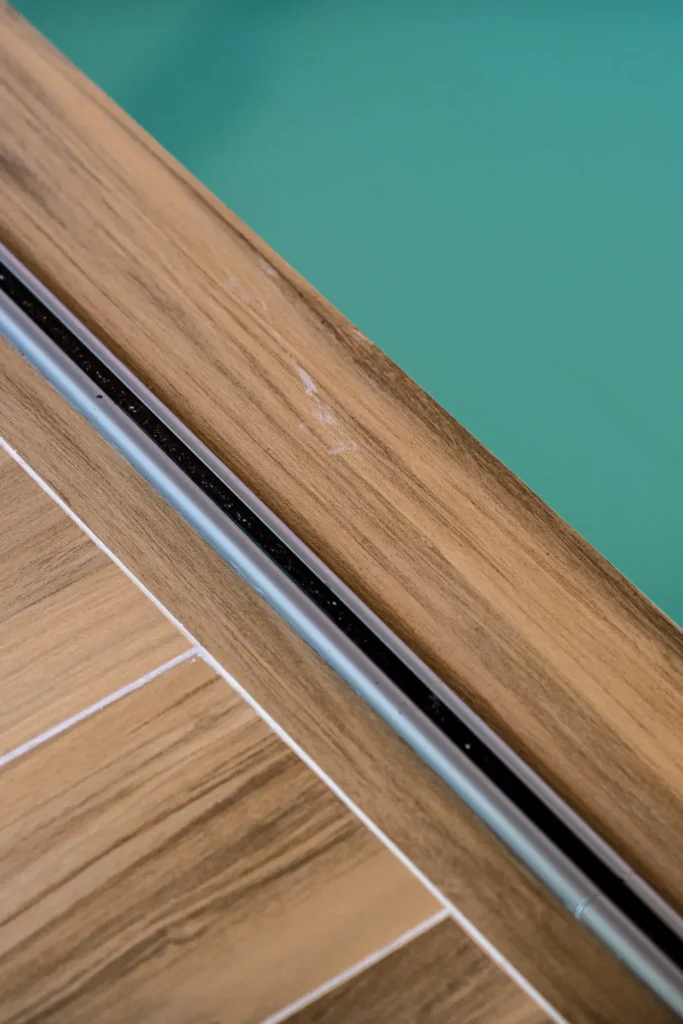
Its pre-stressed PVC membrane locks into low-profile tracks and is operated through wired or wireless controls while keeping the pool in view. Customizable membrane and housing options allow the system to complement different pool environments.
Its strongest distinction is daily usability. A cover only provides its intended benefits when deployed, and automatic operation can make regular coverage more practical than manually positioning and storing a traditional cover.
Compatibility and safety performance still depend on the pool, deck, installation, configuration, and applicable product documentation.
Alternatives to a Traditional Pool Cover
N-CLOSURE: A retractable pool enclosure
The N-CLOSURE retractable pool enclosure provides protection around the broader pool environment rather than placing a membrane directly over the water.
Its telescopic modules can be partially or fully opened, while its aluminum structure and UV-resistant polycarbonate panels help protect the pool environment from weather and debris. It may suit homeowners prioritizing sheltered swimming, environmental protection, or seasonal comfort.
The panels, rails, seals, and exterior surfaces require cleaning and maintenance. N-CLOSURE should not automatically be described as an ASTM F1346 safety cover.
S-LIDE: A sliding deck solution
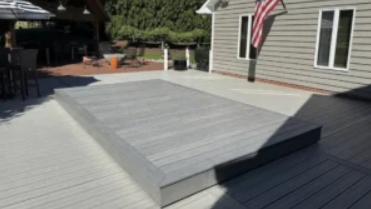
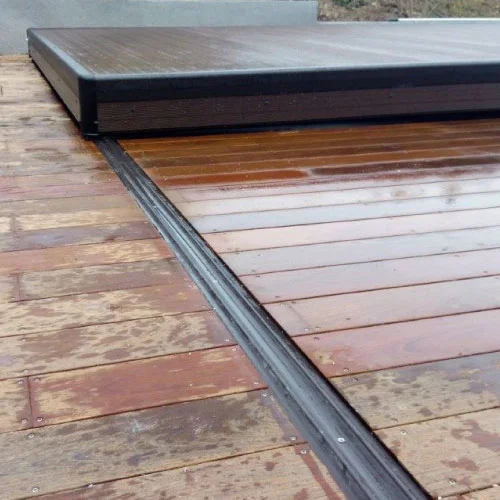
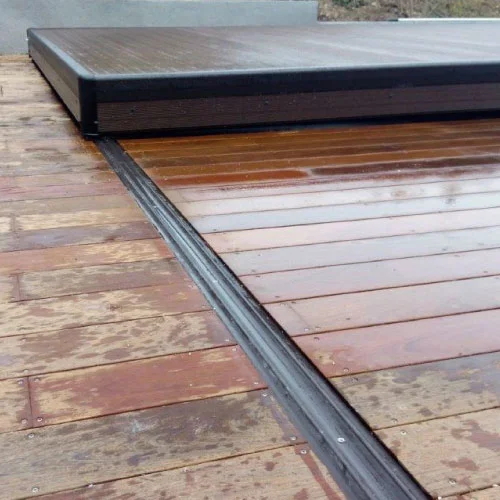
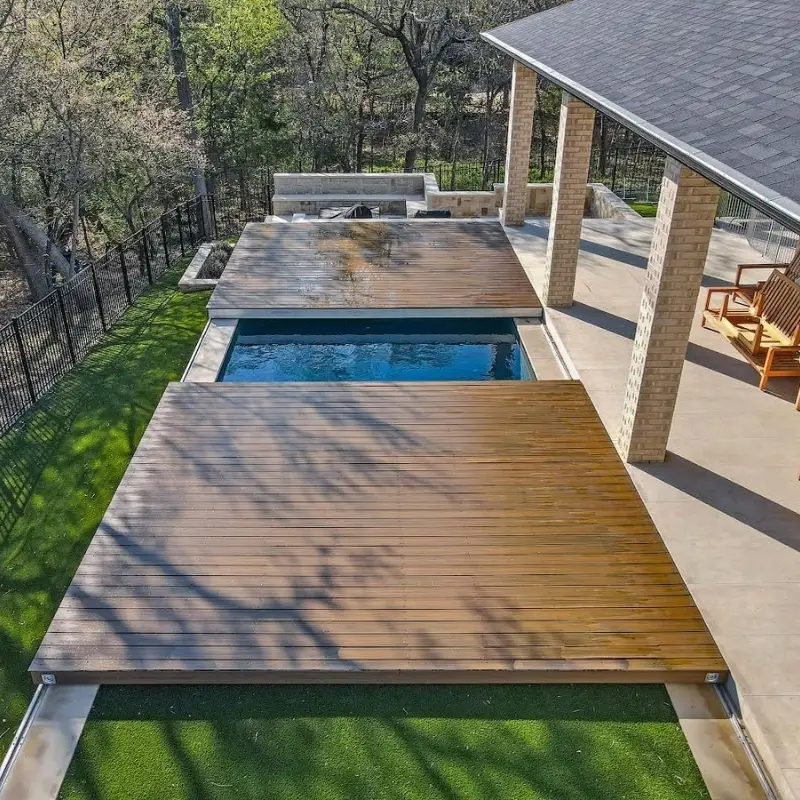
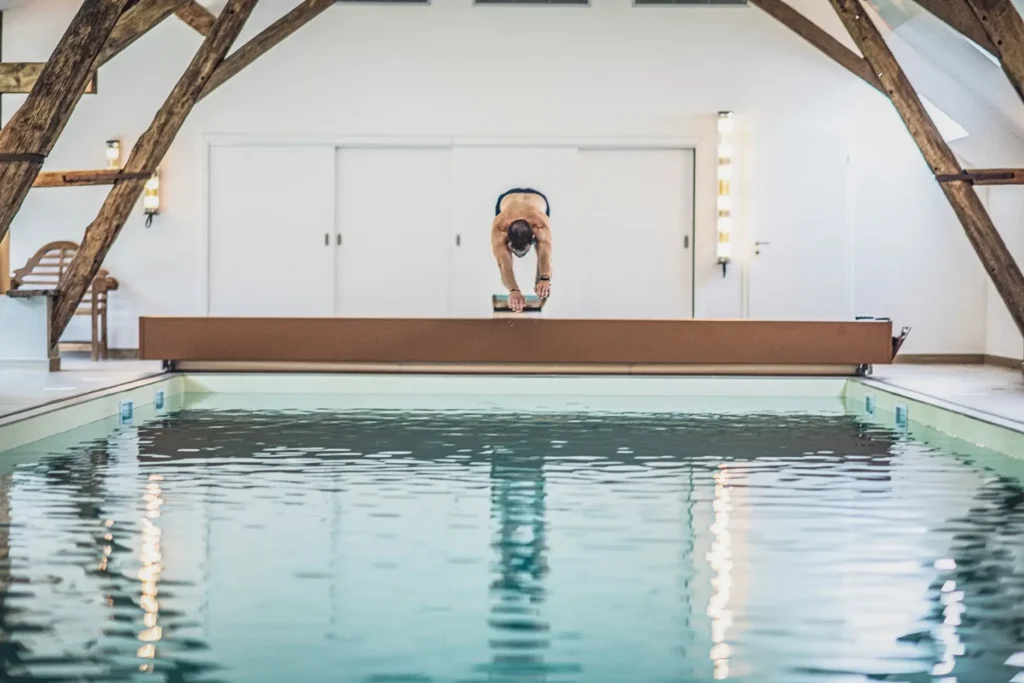
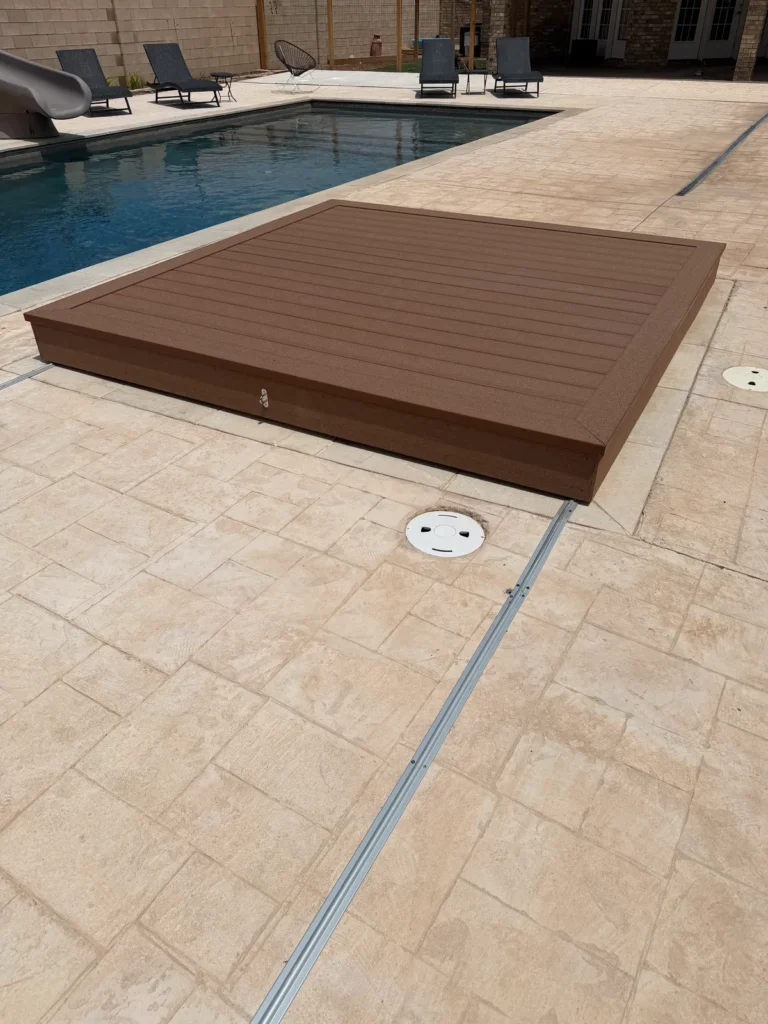
The S-LIDE sliding deck pool cover combines pool coverage with usable outdoor space. When closed, it converts the pool footprint into a deck surface, making it particularly relevant for compact or design-led properties.
The deck, motor, structure, drainage, furniture placement, and operating area must follow the project specifications. Pools with curves, raised spas, vanishing edges, or unusual surroundings require individual assessment. Review the available cover options for freeform and complex pools before selecting a system.
Ten Questions to Ask Before Buying
- What is my primary goal: safety, evaporation, heat, debris, weather protection, or space?
- Is the pool a new build or retrofit?
- Can the system accommodate the pool’s exact shape?
- What safety documentation applies to the configuration?
- How should it be operated after chemical treatment?
- Where will leaves and rainwater collect?
- What maintenance is required?
- Who provides installation and local service?
- What does the warranty include?
- What photographs, measurements, or plans are needed for a quote?
Not Sure Which System Fits Your Pool?
Cover Dream can evaluate your pool’s dimensions, geometry, surroundings, climate, safety priorities, and outdoor-space goals. Compare COVERSEAL™, N-CLOSURE™, and S-LIDE™ to identify the solution that best matches your pool and the way you want to use it.
Request a Custom Pool-Cover ConsultationTen Questions to Ask Before Buying
- What is my primary goal: safety, evaporation, heat, debris, weather protection, or space?
- Is the pool a new build or retrofit?
- Can the system accommodate the pool’s exact shape?
- What safety documentation applies to the configuration?
- How should it be operated after chemical treatment?
- Where will leaves and rainwater collect?
- What maintenance is required?
- Who provides installation and local service?
- What does the warranty include?
- What photographs, measurements, or plans are needed for a quote?
Not sure which system fits your pool? Cover Dream can evaluate your pool’s dimensions, geometry, surroundings, climate, safety priorities, and outdoor-space goals. Request a custom pool-cover consultation to compare COVERSEAL, N-CLOSURE, and S-LIDE.
Final Answer: Should You Cover Your Pool?
For most homeowners, covering an unused pool is worthwhile when the goal is to reduce evaporation, limit debris, retain heat, simplify maintenance, or add an appropriate safety barrier.
The more important decision is which solution fits the pool, property, operating routine, and intended outcome. COVERSEAL provides automatic direct-water coverage, while N-CLOSURE and S-LIDE address broader environmental-protection and space-optimization priorities.
FAQs
For many pools, yes. Covering an unused pool can reduce evaporation, limit debris, and help retain heat. Results depend on the cover, climate, surroundings, installation, and consistent use.
Covering an unused heated pool can help retain heat by reducing evaporation. Actual performance depends on the cover, water temperature, weather, pool design, heater, and operating schedule.
There is no universal waiting period. Follow the chemical label, pool professional’s guidance, circulation requirements, and cover manufacturer’s instructions before closing the system.
A cover can reduce the amount of leaves, insects, pollen, and debris entering the water. However, its membrane, tracks, housing, panels, or deck surface will still require cleaning.
Potential disadvantages include purchase and installation requirements, cleaning, servicing, manual handling for some products, debris accumulation on the surface, and compatibility limitations for complex pool designs.
